
Understanding Cultural Narratives
Exploration of identity in modern literature as depicted in cultural and artistic works.
- Cultural identity
- Heritage and resilience
- Artistic expressions
- Literary influence
The Book of Ofra is a significant cultural touchstone, reflecting complex identities across Israeli society. Its themes of resilience and cultural heritage are explored deeply.
The Book of Ofra represents a remarkable confluence of traditional narratives infused with contemporary themes. Its exploration of identity and cultural heritage captivates readers, establishing it as a landmark in modern literature. By addressing the dynamic interplay between heritage and modernity, the Book of Ofra raises profound questions about resilience and personal identity in today's world.
The Book of Ofra represents a remarkable confluence of traditional narratives infused with contemporary themes. Its exploration of identity and cultural heritage captivates readers, establishing it as a landmark in modern literature. By addressing the dynamic interplay between heritage and modernity, the Book of Ofra raises profound questions about resilience and personal identity in today's world.
The Book of Ofra does not refer to a specific literary work; rather, it embodies a cultural narrative deeply embedded in Israeli society. The historical backdrop reveals its significance within the discourse of identity and the ongoing challenges faced by communities in Israel. It symbolizes both the cultural heritage of Mizrahi communities and the evolution of Israeli society.
While the Book of Ofra does not present specific characters in a traditional narrative sense, it symbolizes collection and experiences shared among individuals contributing to various cultural identities. Emblematic figures in Israeli culture resonate through histories, and each embodies a story of struggle, resilience, and belonging.
The themes elucidated in the context surrounding the Book of Ofra include:
These topics are integral to understanding its cultural resonance, prompting reflection on personal and collective journeys of various communities.
The cultural narratives surrounding the Book of Ofra have significantly influenced modern Israeli literature and the arts. Notable authors and artists draw inspiration from the thematics embedded within the stories of the Ofra context. This influence extends to contemporary literature, shaping new creative expressions and broadening the scope of artistic exploration.
The Book of Ofra has profoundly shaped the narrative landscape in Israeli arts, providing a lens for understanding dynamic identities.
Through its themes, the Book of Ofra initiates a broader dialogue about personal and collective journeys, influencing creative narratives.
Communities’ reactions to the themes and figures encapsulated in the Book of Ofra highlight its multifaceted reception. The narrative resonates differently across diverse cultural and demographic boundaries, reflecting the complex layers of identity in contemporary Israeli life. Engaging with these stories promotes a dialogue about belonging, heritage, and the evolving narratives within modern society.
The Book of Ofra finds parallels with various literary works that encapsulate similar themes of resilience, identity, and cultural exploration. Notable authors such as Amos Oz and David Grossman address comparable subjects, engaging with the nuances of Israeli life through their narratives. The exploration of personal and collective identities serves as a common thread across these works.
In contrast, the Book of Ofra intertwines storytelling with cultural memory, emphasizing visual elements and emotional resonance. While other authors may adopt a more traditional narrative structure, the Book of Ofra invites readers into a layered exploration of cultural identities and the dynamic clash between old and new influences.
The discourse surrounding the Book of Ofra reveals essential insights into identity, culture, and resilience. It highlights the importance of these narratives in reflecting contemporary Israeli society while challenging readers to engage with multifaceted identities. Through its thematic explorations, the Book of Ofra remains a touchstone for those examining the connections between personal history and cultural heritage.
In today's constantly changing societal landscape, the Book of Ofra resonates powerfully. It exemplifies the ongoing dialogue about cultural identity and the narratives that shape our understanding of society. Readers are encouraged to delve into these stories, rethink their implications, and consider how they apply within their own lives.
The Book of Ofra represents a cultural narrative in Israeli society encompassing themes of identity, resilience, and heritage.
It highlights the intersection between tradition and modernity while addressing significant sociopolitical issues relevant to contemporary society.
No, the Book of Ofra symbolizes collective experiences rather than featuring specific fictional characters.
The themes include cultural identity, resilience, historical memory, and the fusion of traditional and modern influences.
Its narratives have inspired various authors and artists, contributing to the exploration of identity and cultural storytelling in modern Israeli literature.
We are grateful for the support of our sponsors who help us explore cultural narratives and artistic expressions.




Exploration of identity in modern literature as depicted in cultural and artistic works.
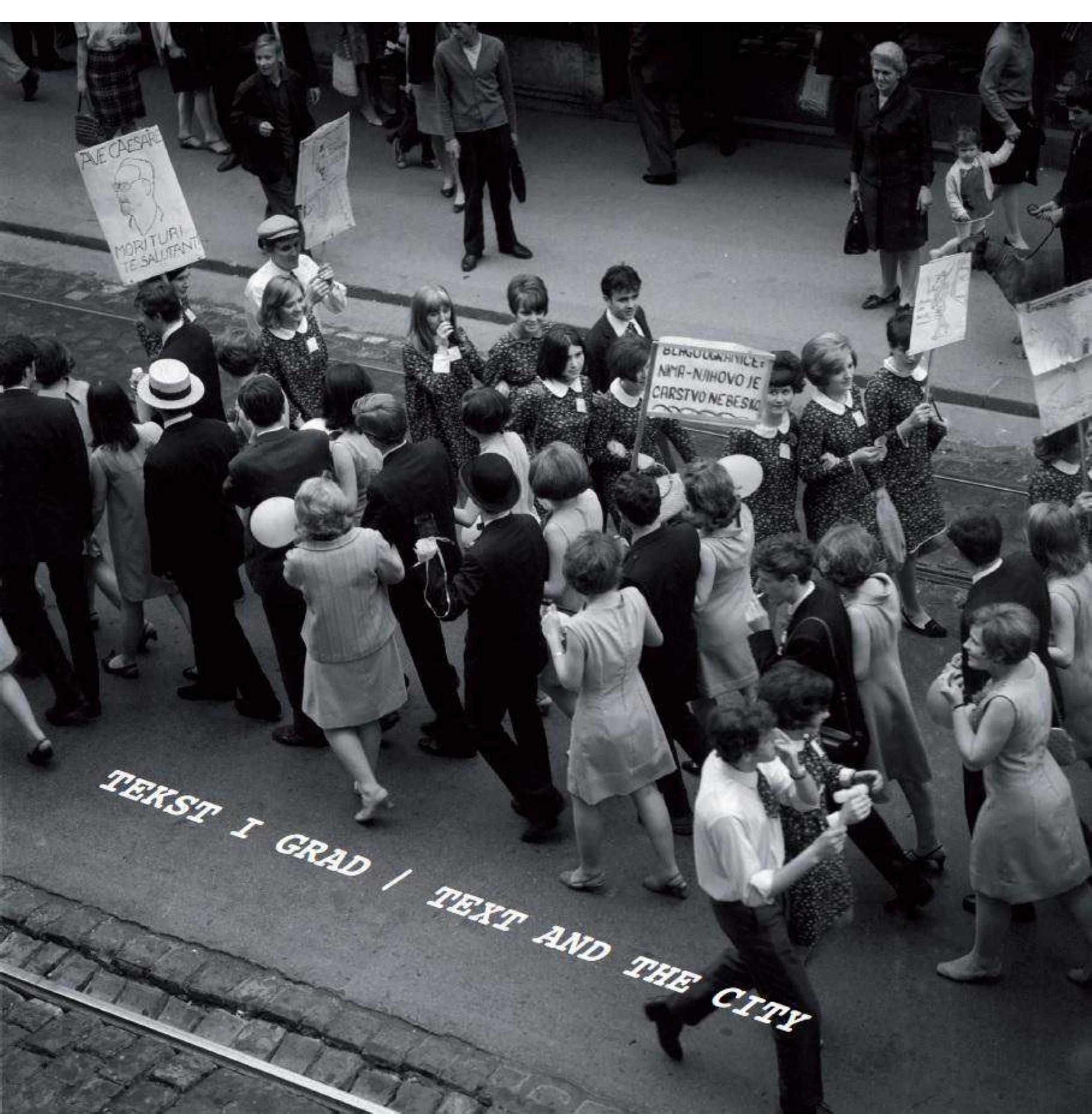
A deep dive into how narratives shape artistic expressions in contemporary society.
Recent symposiums focus on the importance of cultural identities in diverse societies.
Celebrating authors who explored themes of resilience and cultural heritage in recent works.
New exhibition highlights the fusion of traditional and modern elements in contemporary art.