Industry
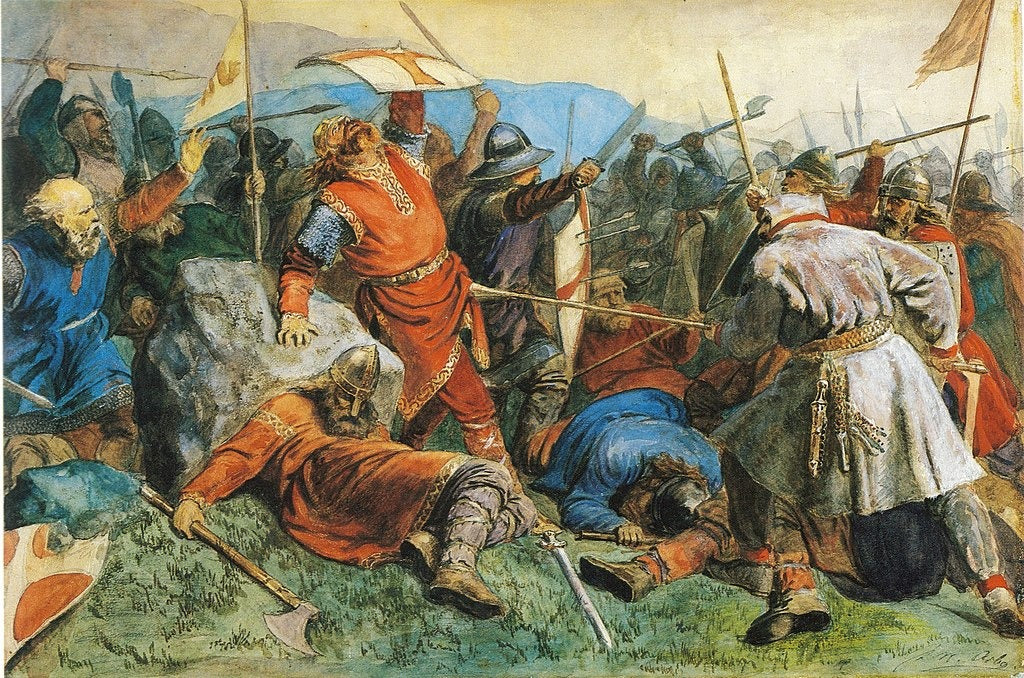
The dawn of the Vikings signified more than just raids; it was an era of exploration and cultural transformation that reshaped Europe. From the first raid at Lindisfarne, this period catalyzed profound changes across nations.
The dawn of the Vikings is widely regarded as the beginning of the Viking Age, a transformative era in European history that commenced with the infamous raid on the monastery of Lindisfarne in 793 AD. This event marked a dramatic shift from the relative stability of early medieval Europe to a period of unprecedented expansion, conflict, and cultural exchange. The Viking Age, spanning roughly from the late 8th century to the mid-11th century, saw Scandinavian warriors, traders, and explorers reshape the political, economic, and cultural landscapes of much of Europe and beyond. The raid on Lindisfarne was not just a single act of violence; it was a signal that the world was entering a new age defined by the ambitions and exploits of the Norse peoples.
The dawn of the Vikings marks the beginning of the Viking Age, and it is largely defined by the infamous raid on the Lindisfarne monastery in 793 AD. This event represents not just a single act of aggression but a pivotal moment in history that opened the doors to a transformative period in European history.
The Viking Age is characterized by significant changes in political, economic, and cultural landscapes, as Scandinavian seafarers embarked on raids, trading missions, and settlements across Europe. This era lasted until approximately 1066 AD, illustrating a critical time in European history that reshaped interactions between the Norse peoples and their counterparts.
This introduction to the Viking Age allows us to understand the cultural impact that would create lasting legacies throughout Europe. It was a time of expansion and exploration, significantly altering the historical trajectories of nations and regions involved.
Before the Viking Age, Scandinavian societies were structured around agrarian communities and tribal governance. These early cultures relied heavily on farming, fishing, and local craftsmanship, leading to the development of a strong yet isolated social structure.
As population growth pressed against limited arable land, these communities faced economic necessity. Advanced shipbuilding techniques began to evolve, producing seaworthy vessels that would enable the Norse to venture beyond their shores.
The raid on Lindisfarne on June 8, 793 AD, is recognized as the first recorded Viking raid, showcasing the Norse peoples' formidable maritime capabilities. The monks of the Lindisfarne monastery were unprepared for the sudden onslaught, resulting in widespread destruction and the capture of wealth.
This raid triggered a wave of raids across Europe, marking the beginning of the Viking Age. The shockwave from the Lindisfarne raid reverberated throughout Europe, leading to heightened fears and fortified defenses among Christian communities.
The transformation from early Scandinavian societies to a distinct Viking identity was marked by cultural shifts, including advancements in shipbuilding and the development of a rich oral tradition. The Viking ethos celebrated bravery and adventure, motivating voyages into unknown territories.
Norwegian warriors surged to create a unique cultural identity, and Norse mythology became a cornerstone of this emerging civilization. The combination of maritime technology, cultural practices, and an adventurous spirit laid the foundation for Viking settlements and new societies.
Following the raid on Lindisfarne, Viking raids spread rapidly across Europe. Monasteries and coastal settlements became frequent targets, as the Vikings sought wealth and glory. Notable raids included the attack on the monastery at Jarrow in Northumbria and the famous monastery at Iona in the Hebrides. The Vikings also ventured into the Frankish Empire, the Low Countries, and even as far as the Mediterranean. Their raids were not limited to Europe; they also explored and settled in Iceland, Greenland, and North America.
The Vikings were not only raiders but also settlers. They established key settlements in various parts of Europe, including Dublin in Ireland and Novgorod in Russia. These settlements became centers of trade, culture, and political power. The Vikings' ability to adapt to new environments and integrate with local populations allowed them to create lasting communities that would influence the development of these regions for generations.
The Viking Age had a profound impact on European societies. The raids and settlements led to significant changes in trade, politics, and culture. The Vikings introduced new technologies, such as advanced shipbuilding and navigation techniques, which facilitated long-distance trade and exploration. They also brought new ideas and practices, including a more decentralized form of governance and a greater emphasis on individual achievement. The Viking presence in Europe contributed to the development of new political entities, such as the Danelaw in England, and influenced the cultural and linguistic landscape of the regions they settled.
Towards the end of the Viking Age, the influence of Christianity began to grow among the Norse peoples. The conversion of Viking leaders and the establishment of Christian churches in Viking settlements marked a significant shift in their cultural and religious identity. The adoption of Christianity helped to integrate the Vikings into the broader European Christian community and contributed to the decline of their traditional pagan beliefs and practices.
The dawn of the Vikings and the raid on Lindisfarne in 793 AD represent a pivotal moment in history. This event marked the beginning of the Viking Age, a period of expansion, conflict, and cultural exchange that reshaped the political, economic, and cultural landscapes of Europe. The transition from Proto-Germanic roots to Viking identity, the expansion of Viking raids, and the establishment of settlements all contributed to the lasting legacy of the Norse peoples. Understanding this pivotal moment is crucial for appreciating the complex and dynamic nature of early medieval Europe and the enduring impact of the Viking Age on the world.
We extend our gratitude to our esteemed sponsors who support the exploration and dissemination of Viking history and culture.Acknowledging Our Sponsors