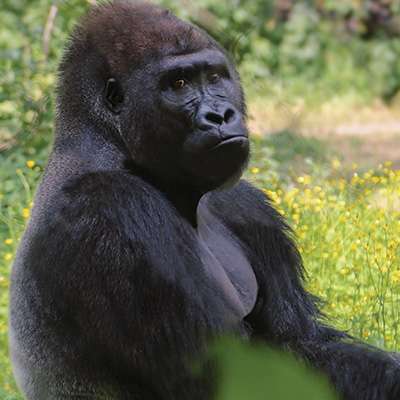
Jungle Gorilla
2025-12-02
Iconic Primates of the Jungle
Jungle gorillas, including Western Lowland and Mountain gorillas, play vital roles in biodiversity through seed dispersal and forest maintenance. Learn about their habitats, the threats they face, and the global initiatives to conserve them.
Key seed dispersers and forest gardenersInhabit dense rainforests and mountaineous regionsFace threats from habitat destruction and diseaseConservation efforts involve governments, NGOs, and communitiesEcotourism supports conservation funding and awareness
Jungle gorillas are iconic primates often regarded as vital components in maintaining the health and biodiversity of their ecosystems. These majestic animals serve as crucial elements in seed dispersal and forest management, ensuring the flourishing of their habitats. However, threats such as habitat loss, poaching, and disease pose significant challenges to their survival, making conservation efforts urgent and essential to protect jungle gorillas and their environments.
Jungle Gorilla Species
Western Lowland Gorilla
The Western Lowland Gorilla is the most prevalent subspecies of gorilla, inhabiting diverse environments including dense tropical rainforests and swamp forests of Central and West Africa. These regions, notably the Congo Basin, provide the ideal habitat for these creatures, allowing them to thrive in areas where moist lowland forests and swamps coexist. The Western Lowland Gorilla is characterized by its shorter hair and smaller size compared to its mountain relatives, making it highly adapted to its lush but dense habitat.
The breed faces severe conservation challenges, primarily due to deforestation driven by illegal logging and agriculture, which significantly reduces their living spaces. Poaching for bushmeat and threats posed by diseases like Ebola also contribute to their critically endangered status. Currently, it is estimated that only about 22% of Western Lowland Gorillas live in protected areas, which underscores the urgent need for improved conservation practices.
Mountain Gorilla
In contrast to their lowland counterparts, Mountain Gorillas inhabit the high-altitude forests of the Virunga Mountains and Bwindi Impenetrable National Park. These gorillas are larger and possess thicker fur to adapt to the cooler mountainous climates in which they dwell. Their populations are primarily located in Rwanda, Uganda, and the Democratic Republic of the Congo.
The significant threats facing Mountain Gorillas include habitat encroachment due to agricultural expansion, poaching, disease outbreak risks, and political instability in their regions. Fortunately, ongoing protection efforts have increased conservation efficacy, as anti-poaching campaigns and regulated tourism have shown positive results in population recovery.
Ecological Importance
Both species of jungle gorillas are key players in their ecosystems, acting as vital seed dispersers and facilitating forest regeneration. By consuming diverse fruits and plants, they promote the growth of new vegetation, contributing positively to the biodiversity and health of their habitats. Their natural behavior of foraging significantly influences forest structure, allowing various plant species to thrive and support numerous other wildlife in the ecosystem.
Behavior and Social Structure of Jungle Gorillas
Social Dynamics
The structure of gorilla troops typically comprises one dominant silverback male along with several females and their offspring. The silverback is the protector and leader of the group, guiding its members while averting conflicts. Troops often consist of small family units averaging four to eight individuals, promoting strong social bonds within the group.
Gorillas employ a variety of communication methods, including vocalizations such as grunts and hoots, as well as body language and facial expressions to convey emotions and intentions. Understanding and interpreting these signals is critical for maintaining social harmony within the troop.
Dietary Habits
The diet of jungle gorillas is primarily herbivorous, with their consumption of leaves, stems, fruits, and some insects defining their eating patterns. Western Lowland Gorillas specifically are known to have a rich and diverse diet that plays a central role in their sustenance. Their social eating behaviors are fascinating, as many gorillas tend to hum while eating, which may indicate social interaction or contentment among troop members.
Gorillas: Guardians of Biodiversity
Jungle gorillas are integral to their ecosystems by promoting forest regeneration and biodiversity through their natural activities.
Efforts to preserve them involve habitat protection, anti-poaching patrols, and community engagement.
- Vital roles in seed dispersal
- Structured social groups led by a dominant silverback
- Herbivorous diet influences forest composition
- Active involvement of local communities in protection
Conservation Efforts for Jungle Gorillas
Government and NGO Initiatives
Current conservation strategies include habitat preservation, anti-poaching patrols, and disease monitoring to protect jungle gorillas. Governments and NGOs collaborate to establish protected areas where gorilla populations can safely thrive. Initiatives funded and supported by organizations like the World Wildlife Fund focus on increasing awareness and conducting vital research to inform effective conservation practices.
Additionally, ecotourism is an essential funding avenue, providing resources for communities involved in conservation efforts while promoting awareness of the importance of protecting these magnificent animals.
Community Involvement
Local communities play an integral role in jungle gorilla conservation. They can participate by reporting poaching activities, assisting in habitat monitoring, and adopting sustainable agricultural practices. Educational programs further engage these communities, fostering a sense of stewardship towards protecting gorillas and their habitats.
Successful community-led conservation initiatives abound, with examples from countries like Rwanda demonstrating the positive impact of engaging local populations in the protection and preservation of Mountain Gorillas.
Conclusion
In summary, jungle gorillas, particularly the Western Lowland Gorilla and Mountain Gorilla, are essential to their ecosystems, providing critical ecological functions that sustain the health of tropical forests. To combat the threats they face, it is vital to continue conservation efforts that involve collaboration between governments, NGOs, and local communities. The journey of protecting jungle gorillas and their habitats is a joint effort crucial to maintaining biodiversity and ensuring the survival of these iconic primates.
FAQ
What is a jungle gorilla?
The jungle gorilla refers to two subspecies known as the Western Lowland Gorilla and the Mountain Gorilla. These gorillas inhabit tropical forests and play vital roles in maintaining forest ecosystems.
How does the jungle gorilla contribute to its ecosystem?
Jungle gorillas contribute to their ecosystem primarily by dispersing seeds, which helps promote forest regeneration and biodiversity. Their foraging behaviors create habitats beneficial to various plant and animal species.
Is the jungle gorilla safe/reliable?
With ongoing conservation efforts and protection strategies in place, jungle gorilla populations are receiving increased attention to ensure their safety and reliability in maintaining healthy ecosystems.
What are the benefits of preserving jungle gorillas?
Preserving jungle gorillas helps maintain biodiversity, supports ecosystems, and ensures the health of tropical forests, which are critical for wildlife and human communities alike.
How to get started with jungle gorilla conservation?
Individuals can start by raising awareness about the importance of jungle gorillas, supporting conservation organizations, and participating in ecotourism practices that promote wildlife preservation.
Our Sponsors
We are grateful to our sponsors for supporting our conservation efforts.

Association of Zoos and Aquariums

SCFD

World Association of Zoos and Aquariums

AHS Certification
Latest Insights
Gorilla Social Dynamics
Understanding the social behavior of gorillas provides insights into their complex relationships and troop management.
- Leadership of silverback males
- Vocal and non-verbal communication
- Role of females and juveniles
- Conflict resolution methods
The Herbivorous Diet of Gorillas
Explore the dietary habits of gorillas and their impact on forest ecosystem health.
- Primary diet components
- Seasonal diet variations
- Nutritional needs and foraging
- Social aspects of feeding