Mining Pots Of Gold
2025-12-02
About Gold Mining
Explore the significance of gold mining from ancient civilizations to modern economies, revealing its impact on technology, communities, and global markets.
Gold mining as a historical cornerstone of economies.Influence on international relations and technological innovation.Contribution to global GDP and employment.Role in addressing environmental challenges.Continued relevance amidst economic uncertainties.
The phrase "mining pots of gold" evokes both the literal extraction of gold from the earth and the metaphorical pursuit of immense wealth. Gold has captivated human societies for millennia, serving as a symbol of prosperity, power, and security. Historically, gold mining has played a pivotal role in shaping global economies, driving exploration, and fueling industrial growth. From ancient civilizations to modern financial markets, gold remains a cornerstone of economic stability and investment.
Gold’s significance extends beyond its intrinsic value. The extraction and trade of gold have influenced international relations, spurred technological innovation, and transformed local communities. Today, gold mining continues to be a vital industry, contributing billions to global GDP and supporting millions of livelihoods. As the world grapples with environmental challenges and economic uncertainties, the quest for mining pots of gold remains as relevant as ever.
Main Section 1: Mining Techniques
Subsection 1.1: Placer Mining
Placer mining is one of the oldest and most straightforward methods of extracting gold. This technique involves searching for gold in alluvial deposits—loose sediments found in riverbeds, streams, and other water bodies. Miners use simple tools like pans, sluices, and dredges to separate gold particles from sand and gravel. Placer mining is particularly effective in regions where gold has been naturally concentrated by water erosion.
Placer mining is cost-effective for small-scale operations and artisanal miners.
It is well-suited for areas with abundant alluvial deposits, such as parts of Africa, South America, and Southeast Asia.
However, the yield is often lower compared to hard rock mining, and environmental impacts can be significant if not managed responsibly.
Subsection 1.2: Hard Rock Mining
Hard rock mining, also known as lode mining, involves extracting gold from solid rock formations. This method requires more advanced equipment and techniques, including drilling, blasting, and crushing. Hard rock mining is typically used when gold is embedded in quartz veins or other mineralized rocks.
Hard rock mining is more capital-intensive and technologically demanding.
It can access larger and deeper gold deposits, making it suitable for commercial-scale operations.
The process generates more waste and has a greater environmental footprint, necessitating stricter regulations and sustainable practices.
Subsection 1.3: Innovative Technologies
Modern gold mining has seen significant advancements in technology, improving efficiency and reducing environmental impact. Some key innovations include:
Automated Drilling and Blasting: Enhances precision and safety in hard rock mining.
Advanced Ore Processing: Techniques like heap leaching and carbon-in-pulp (CIP) increase gold recovery rates.
Remote Sensing and Geophysical Surveys: Help identify potential gold deposits with minimal environmental disruption.
Digital Monitoring Systems: Enable real-time tracking of mining operations, optimizing resource allocation and safety.
Industry Insights
Gold mining continues to be an essential sector, heavily impacting global markets and driving technological advancement.
With increasing environmental and economic demands, new technologies and practices are shaping the industry's future.
- Influence on global economic conditions and local economies.
- Role of gold as a safe-haven asset amid uncertainties.
- Investment in gold sectors shaping market trends.
- Adoption of sustainable and technological mining practices.
Main Section 2: Environmental Considerations
Subsection 2.1: Impact of Gold Mining
Gold mining can have profound environmental effects, including:
Deforestation and Habitat Loss: Clearing land for mining operations can destroy ecosystems and displace wildlife.
Water Pollution: The use of chemicals like cyanide and mercury in gold extraction can contaminate water sources.
Soil Erosion: Mining activities can lead to soil degradation and increased sedimentation in rivers.
Carbon Emissions: Energy-intensive mining processes contribute to greenhouse gas emissions, particularly in regions reliant on fossil fuels.
Subsection 2.2: Sustainable Practices
To mitigate these impacts, the industry is adopting more sustainable practices:
Responsible Mining Standards: Organizations like the World Gold Council promote guidelines for environmental, social, and governance (ESG) performance.
Renewable Energy: Many mines are transitioning to solar, wind, and hydroelectric power to reduce carbon footprints.
Waste Management: Improved techniques for handling and recycling mining waste minimize pollution.
Community Engagement: Companies are working with local communities to ensure that mining benefits are shared equitably and that environmental concerns are addressed.
Main Section 3: Economic Impacts
Subsection 3.1: Gold Prices and Market Trends
Gold prices are influenced by a variety of factors, including global economic conditions, inflation rates, and geopolitical events. Historically, gold has been seen as a safe-haven asset, with prices often rising during times of uncertainty.
Global gold mine production has grown by 26% since 2010, with Africa experiencing a nearly 60% increase.
In at least 10 African countries, gold production has more than doubled, contributing significantly to GDP and export revenues.
The value of gold and its contribution to host countries’ economies have risen even faster, driven by high demand and rising prices.
Subsection 3.2: Investment Opportunities
Investors can engage with the gold sector in several ways:
Physical Gold: Purchasing gold bars, coins, or jewelry.
Gold ETFs and Mutual Funds: Investing in exchange-traded funds or mutual funds that track gold prices.
Mining Stocks: Buying shares in gold mining companies, which can offer higher returns but also greater risk.
Gold Futures and Options: Trading derivatives that allow investors to speculate on future gold prices.
Main Section 4: Future of Gold Mining
Subsection 4.1: Technological Advancements
The future of gold mining is likely to be shaped by continued technological innovation:
Automation and Robotics: Increasing the use of automated systems and robots to improve efficiency and safety.
Artificial Intelligence: Leveraging AI for predictive maintenance, resource optimization, and environmental monitoring.
Blockchain and Transparency: Using blockchain technology to enhance supply chain transparency and traceability.
Subsection 4.2: Market Predictions
Experts predict several trends in the gold market:
Growing Demand: The demand for gold is expected to remain strong, driven by investment, jewelry, and industrial uses.
Sustainability Focus: There will be a greater emphasis on sustainable and responsible mining practices.
Technological Integration: The integration of new technologies will continue to transform the industry, making it more efficient and environmentally friendly.
Conclusion
Understanding gold mining is crucial for appreciating its role in global economies and its impact on local communities. The journey of searching for mining pots of gold is not just about extracting a precious metal; it is about navigating complex economic, environmental, and social landscapes. As the industry evolves, the pursuit of gold will continue to shape the world, offering both opportunities and challenges for future generations.
Our Sponsors
We are grateful to our sponsors for their continued support in the exploration and advancement of gold mining technologies.

GoldMarket

Gold Payment Solutions

Gold Partners
Gold Finance
Related Articles
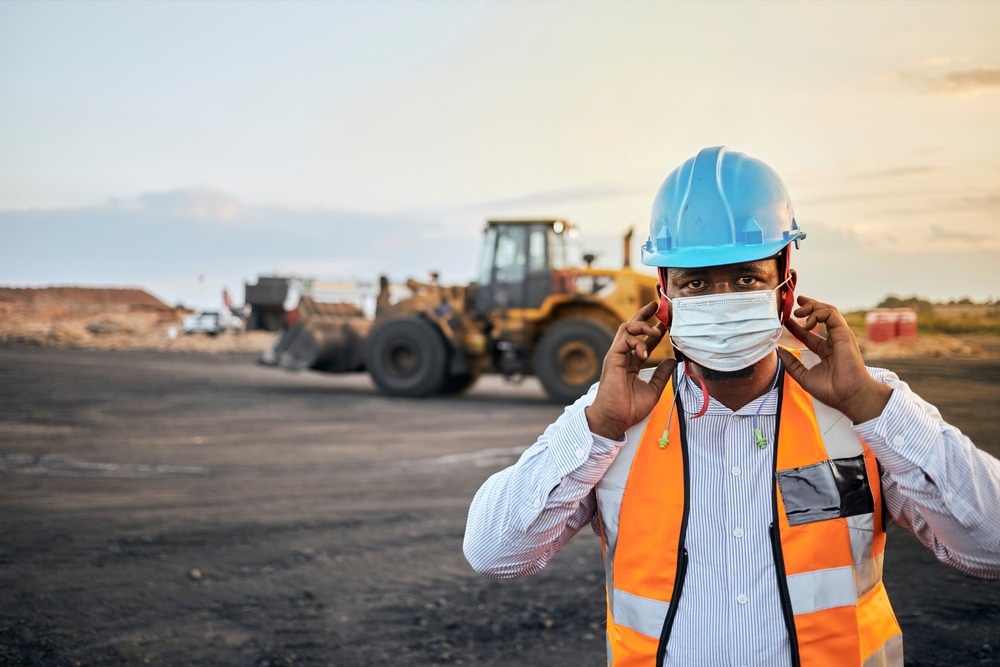
The Evolution of Gold Mining
Explore how gold mining has evolved over the centuries, from ancient techniques to modern-day innovations.
- Historical advancements in gold mining methods
- Technological breakthroughs enhancing efficiency
- Impact of regulations on environmental practices
- Future trends in sustainable mining technologies
The Environmental Cost of Gold Extraction
Examine the environmental challenges gold mining poses and the sustainability initiatives being implemented to mitigate impact.
- Deforestation and ecosystem disruption
- Water contamination and management practices
- Innovations in reducing carbon emissions
- Collaborative efforts with local communities
Latest Industry News
Stay updated with the latest trends and developments in the gold mining industry.
Gold Prices Hit Record Highs
2025-11-25
Recent market analysis shows a significant rise in gold prices, influenced by economic uncertainties and increased demand from investors seeking stable assets.
Innovations in Sustainable Mining Practices
2025-11-30
New technologies in sustainable mining practices are being unveiled, focusing on reducing environmental impact and improving efficiency.
Community Initiatives in Gold Mining Regions
2025-12-01
Mining companies are partnering with local communities to promote sustainable development and ensure equitable distribution of mining benefits.