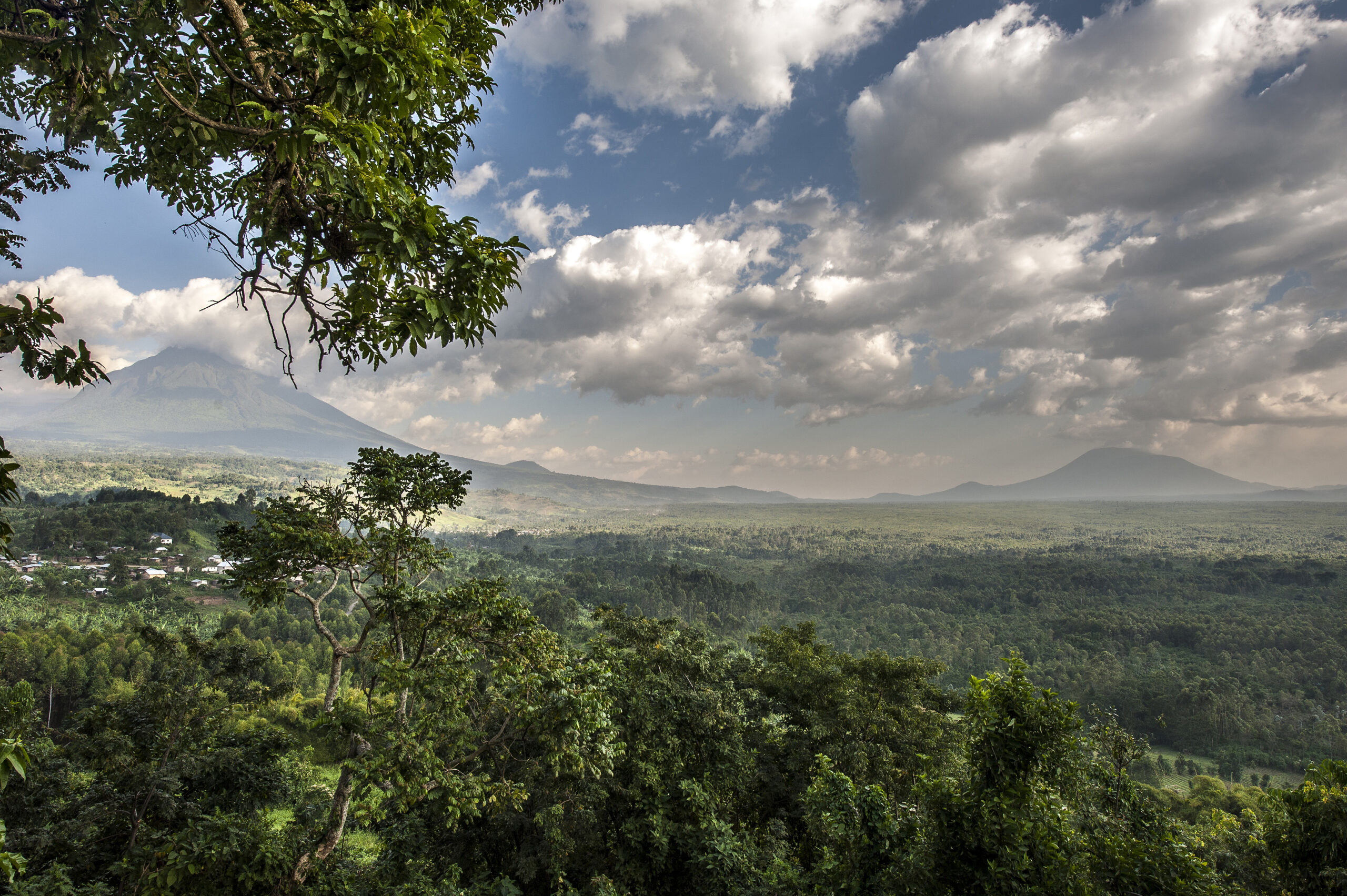
What Makes Grauer's Gorilla the Modern Primate King?
Discover why Grauer's gorilla stands out in the primate world today due to its size, strength, and social structure.
Size and Strength: Grauer's gorillas are the largest of all living primates, with males weighing between 450–550 pounds.Habitat: Found in the lowland and montane forests of eastern Congo, adaptable to a wide range of altitudes.Social Structure: Live in groups led by a dominant silverback male, showcasing complex social dynamics.Diet: Primarily herbivorous, feeding on a variety of plant matter which supports their massive size.Conservation Status: Critically endangered, highlighting the importance of conservation efforts to protect them.
The term primate king refers to the largest and strongest primate species, both in modern times and throughout evolutionary history. This title is not just about size, but also about strength, dominance, and ecological significance. In this post, we’ll explore which primate holds the crown today, who ruled the ancient world, and how these giants have shaped our understanding of primate evolution.
Introduction
The primary keyword primate king refers to the largest and strongest primate species, both in the present day and throughout evolutionary history. This title is not just a matter of size, but also of strength, dominance, and ecological significance. This post will explore which primate holds this title today and historically, examining the physical, behavioral, and evolutionary traits that make certain species stand out as the true "kings" of the primate world.
The Modern Primate King
What is the Primate King?
The term primate king is used to describe the primate species that is the largest, strongest, and most dominant in its environment. In modern times, this title is most often attributed to the Grauer's gorilla (*Gorilla beringei graueri*), a subspecies of the eastern gorilla. The primate king is significant not only for its physical prowess but also for its role in shaping ecosystems and inspiring cultural representations of strength and power.
The Eastern Gorilla (Grauer's Gorilla)
The Grauer's gorilla is widely regarded as the modern-day primate king due to its exceptional size, strength, and dominance. Here are the key physical characteristics that set it apart:
- Weight: Adult males can weigh between 450 and 550 pounds (204–250 kg), with some individuals reaching 600 pounds (272 kg) or more.
- Height: Males can stand up to 6 feet 4 inches (1.95 meters) tall.
- Strength: Gorillas are capable of lifting up to 10 times their body weight, with silverback gorillas able to lift up to 1,810 kg (4,000 lbs). Their upper body strength is 6 to 10 times greater than that of an average human.
- Bite Force: Gorillas possess a bite force of 1,300 PSI, nearly twice that of a lion.
- Muscle Mass: Dense muscle tissue, particularly in the upper body and limbs, enables them to exert considerable force.
These physical attributes make the Grauer's gorilla the most physically imposing of all living primates.
Exploring the Legacy of Primate Kings: Past and Present
The concept of primate kings extends from the formidable Grauer's gorilla to the extinct Gigantopithecus, revealing the diversity of primate evolution.
Understanding the evolution and impact of these primates enhances conservation efforts and showcases the ecological roles they play.
- Gigantopithecus was the largest primate ever, standing over 10 feet tall and weighing up to 1,100 pounds.
- Grauer's gorilla, the modern primate king, plays a crucial role in its ecosystem as a keystone species.
- Cultural Influence: Primates like the gorilla have inspired stories, myths, and films, reflecting human fascination with strength and nature.
- Evolutionary Insights: Studying primate kings offers insights into adaptation and survival in changing environments.
Habitat and Lifestyle
- Habitat: Grauer's gorillas are found in the eastern Democratic Republic of Congo, primarily in lowland and montane forests. They inhabit the widest altitudinal range of any gorilla subspecies, from about 1,968 ft (600 m) to 9,514 ft (2,900 m) above sea level.
- Social Structure: Like other gorillas, Grauer's gorillas live in social groups led by a dominant silverback male. These groups typically consist of several females and their offspring, with the silverback responsible for protection and leadership.
Extinct Primate Kings
Gigantopithecus: The Giant of the Past
While Grauer's gorilla is the largest living primate, the title of the largest primate to ever exist goes to Gigantopithecus blacki, an extinct ape that lived in Asia during the Pleistocene epoch.
- Size: Estimates suggest Gigantopithecus could have stood up to 10 feet (3 meters) tall and weighed as much as 1,200 pounds (540 kg).
- Diet: Fossil evidence indicates it was a herbivore, likely feeding on bamboo and other tough vegetation.
- Extinction: Gigantopithecus went extinct around 300,000 years ago, possibly due to climate change and competition for resources.
Theories of Extinction
Several theories have been proposed to explain the extinction of Gigantopithecus:
- Climate Change: Shifts in climate may have reduced the availability of its preferred food sources.
- Competition: Increased competition with other herbivores and early humans may have contributed to its decline.
- Habitat Loss: Deforestation and changes in habitat could have made survival difficult.
These factors highlight the vulnerability of even the largest and strongest species to environmental changes, shaping our understanding of primate evolution and the importance of conservation.
Comparison of the Largest Primates
| Species/Extinct Primate |
Average Weight |
Height |
Strength (vs. Human) |
Notable Features |
| Grauer's Gorilla |
450–550 lbs (204–250 kg) |
6'4" (1.95 m) |
6–10x |
Largest living primate, stocky build, short muzzle |
| Mountain Gorilla |
350–485 lbs (160–220 kg) |
5'9"-6' (1.75–1.8 m) |
6x |
Robust build, thick fur, high-altitude habitat |
| Western Lowland Gorilla |
300–500 lbs (135–227 kg) |
5'6"-6' (1.68–1.8 m) |
6x |
Most numerous gorilla subspecies |
| Gigantopithecus blacki |
1,200 lbs (540 kg) |
10' (3 m) |
Unknown |
Largest primate ever, herbivore, extinct |
Cultural Impact
The image of the primate king has had a profound impact on human culture, inspiring myths, legends, and popular media. From King Kong to Tarzan, the idea of a powerful, dominant primate has captured the imagination of people around the world. These representations often reflect our fascination with strength, dominance, and the natural world.
Conclusion
The primate king is a title that belongs to the Grauer's gorilla in the modern era, with its unmatched size, strength, and physical presence. However, the legacy of the primate king extends back to the ancient world, where Gigantopithecus blacki ruled as the largest primate to ever walk the Earth. Understanding these giants not only enriches our knowledge of primate diversity but also underscores the importance of conservation and the preservation of evolutionary history. The primate king, whether living or extinct, continues to inspire awe and respect for the incredible capabilities of our closest relatives in the animal kingdom.
Our Partners in Conservation and Research
Meet our sponsors who support the conservation of primate habitats and research in primate behavior and ecology.

Critically Endangered

Critically Endangered M

NEPC

UN-GRASP
Latest Insights into Primate Kingdom

Unveiling the Life of Grauer's Gorillas
Dive deep into the social structure, behavior, and conservation efforts surrounding Grauer's gorillas.
- In-depth analysis of social group dynamics
- Exploration of habitat challenges and conservation strategies
- Impact of climate change on gorilla populations
- Innovative research techniques for studying gorillas

The Gigantic Shadows of the Past: Gigantopithecus
Exploring the mystery and majesty of the extinct Gigantopithecus and its place in the primate lineage.
- Analysis of fossil records and what they reveal
- Theories surrounding Gigantopithecus extinction
- Comparative studies with modern apes
- The impact of Gigantopithecus on our understanding of primate evolution
Primate News and Updates
Stay informed about the latest developments in primate research and conservation.
Conservation Breakthrough Sees Increase in Gorilla Populations
2025-11-15
Recent efforts in gorilla conservation have resulted in a notable increase in their populations in the wild.
Gigantopithecus Fossil Discovery Sheds New Light
2025-08-30
A new fossil discovery in Southeast Asia offers fresh insights into the life and environment of Gigantopithecus.
Grauer’s Gorilla: Film to Highlight Conservation Challenges
2025-09-20
An upcoming documentary will spotlight the conservation challenges faced by Grauer’s gorillas and efforts to protect them.