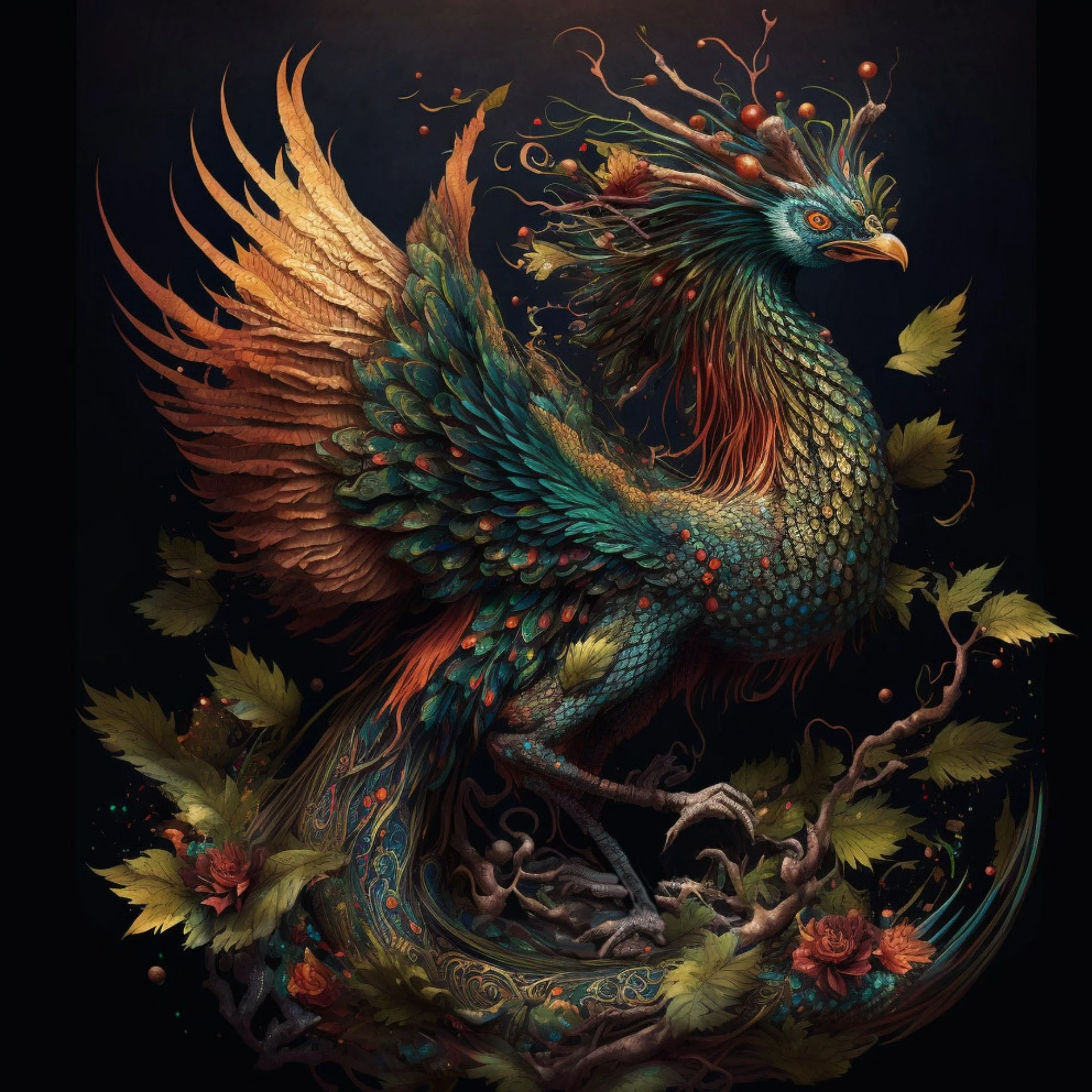
The phoenix stands as one of humanity's most enduring mythological symbols, transcending cultures and centuries with its message of renewal and resilience. This legendary bird, which dies in flames only to rise anew from its ashes, encapsulates profound truths about transformation, immortality, and the cyclical nature of existence. The phoenix's power lies not in a single element, but in the intricate interplay of multiple forces—fire, sun, and spiritual purification—that together create a comprehensive symbol of rebirth and hope.
The Elemental Forces of the Phoenix
Fire: The Element of Destruction and Purification
Fire represents the most visceral and transformative element in the phoenix myth. This element embodies a paradox central to the phoenix's symbolism: fire is simultaneously destructive and purifying. When the phoenix reaches the end of its 500-year cycle, it deliberately constructs its own funeral pyre from precious herbs and aromatic spices, then allows the flames to consume its body completely.
- The destructive aspect of fire symbolizes the necessary annihilation of the old self.
- Nothing can remain of what was before; the phoenix must be reduced entirely to ashes.
- Yet this destruction serves a higher purpose—purification.
- Fire burns away impurities, ego, and outdated patterns, creating sacred ground for rebirth.
- This cathartic process represents the idea that genuine transformation requires complete surrender.
The Sun: The Element of Eternal Renewal
The phoenix's deep connection to the sun reveals another essential secret of its symbolism. The legendary bird mirrors the sun's daily cycle: it disappears in a fiery blaze at the horizon, only to be reborn anew with each dawn. This cyclical journey represents the eternal nature of renewal and the promise that endings are not permanent but merely transitions to new beginnings.
- The image of the phoenix highlights its solar qualities.
- The Bennu bird in Egyptian mythology is an avatar for the sun and rebirth.
- The sun's daily rise represents new chances and opportunities.
- Renewal is a natural phenomenon, intricately woven into existence.
- The phoenix embodies the resurrection motif rich in cultural narratives.
Spiritual Purity: The Element of Transformation
Beyond physical elements, the phoenix embodies spiritual purity and divine wisdom. This spiritual dimension reveals that the phoenix's transformation extends beyond the material realm into the metaphysical.
- The idea of being consumed by fire leads to a renewed sense of purpose and clarity.
- Water symbolizes the washing away of the past.
- Spiritual purification precedes rebirth and renewal.
- The phoenix sheds both physical and psychological burdens during this process.
- The emergence from ashes reflects spiritual renewal and enlightenment.
Mythological Representations Across Cultures
Egyptian Mythology: The Bennu and Creation
The earliest documented phoenix legend appears in Egyptian mythology as the Bennu, a heron-like bird central to their creation myth. The Bennu lived atop ben-ben stones or obelisks and was worshipped alongside the gods Osiris and Ra.
- The Bennu is linked to the annual flooding of the Nile.
- It symbolizes resurrection and cosmic renewal.
- The Bennu’s association with natural cycles reflects its importance in cultural narratives.
- This myth offers tangible links to natural phenomena, grounding its symbolism in reality.
- Worship of the Bennu indicates its role in societal identity and values.
Greek Mythology: Codifying the Legend
The Greeks transformed the Egyptian Bennu into the phoenix we recognize today, refining and expanding the myth. The Greek phoenix, like its Egyptian predecessor, symbolized the sun, creation, and rebirth.
- The Greeks established the specific details associated with the phoenix.
- It has a reported lifespan of 500 years, leading to its ritual self-immolation.
- The rebirth process is rooted in the cycle of life, death, and renewal.
- This established phoenix narrative serves as a metaphor for human experience.
- The phoenix symbolizes the unconditional resilience of the human spirit.
Eastern Traditions: The Fenghuang and Feminine Energy
In Chinese mythology, the phoenix, known as the Fenghuang, reigns over all birds and became associated with the Empress and feminine grace. Unlike the Western phoenix's association with solar masculine energy, the Eastern phoenix embodies complementary feminine qualities.
- The Fenghuang’s feathers consist of five sacred colors representing different elements.
- It signifies a wise leader's ascendance, heralding a new era.
- This unity of symbolism emphasizes harmony and societal renewal.
- The Fenghuang was often depicted in art and mythology, expressing ideals of grace.
- The phoenix's representation varies across cultures, enriching its narrative layers.
Universal Symbolism and Modern Interpretation
The Phoenix as Symbol of Hope and Resilience
Across all its incarnations and cultural expressions, the phoenix represents hope, resilience, and transformation. The image of the bird rising from ashes has become a powerful contemporary metaphor for overcoming life's challenges.
- The phoenix embodies the principle that darkness is temporary and can lead to renewal.
- This symbolism resonates profoundly in modern contexts, emphasizing growth after hardship.
- The narrative of the phoenix encourages personal redemption and societal resilience.
- It speaks to universal human experiences of loss and new beginnings.
- The phoenix teaches that from destruction, new life can emerge.
The Phoenix in Alchemy and Spiritual Practice
The phoenix holds significant meaning in alchemical tradition, symbolizing the Philosopher's Stone and the ultimate transformation of materials. In alchemy, the phoenix symbolizes profound changes that occur during the Great Work.
- The alchemical connection reveals observable patterns in transformation.
- Just as elements change state, the phoenix undergoes cyclical renewal.
- This reflects the idea that ultimate transformation is achievable through deliberate actions.
- The phoenix's role in alchemical tradition highlights the connections between metaphysics and material existence.
- This symbolism underscores the individual's potential for growth and realization of inner truth.
Modern Cultural Representations
In contemporary literature, film, and visual art, the phoenix symbolizes personal redemption and civilizational renewal. The association with healing powers emphasizes its link to truth and spiritual authenticity.
- The phoenix appears prominently in branding and personal tattoos, representing resilience.
- This modern application demonstrates the richness of the phoenix myth in today’s psyche.
- It speaks to the themes of loss, transformation, and the possibility of renewal.
- Its myth remains relevant in contemporary narratives.
- The phoenix addresses timeless aspects of human experience.
The Dual Nature of Existence
A profound secret embedded in phoenix symbolism is the image of the phoenix atop an egg, representing the coexistence of life and death. The egg symbolizes unhatched potential and the promise of new beginnings.
- The image illustrates the eternal dance between opposing forces.
- The phoenix teaches that destruction and creation are complementary aspects of existence.
- These principles are vital to understanding the cycles of life.
- The balance between endings and beginnings is intrinsic to the phoenix narrative.
- This concept enriches the mythology, revealing deeper truths about nature.
Conclusion: The Timeless Lessons of the Phoenix
The secrets of the phoenix elements converge in a unified message about the nature of transformation and the human capacity for renewal. Fire provides the catalyst for change, the sun ensures that renewal follows a natural and eternal pattern, and spiritual purity offers the inner transformation that matches the outer rebirth.
The phoenix has maintained remarkable consistency in its core symbolism while adapting to reflect cultural values. Whether symbolizing Christ's resurrection, the triumph of the soul, or personal resilience, the phoenix speaks to something fundamental in human consciousness.
The phoenix's greatest secret may be this: it teaches that no trial is final, no ending is absolute, and from the ashes of what has been destroyed, something new can always emerge. In a universe governed by cycles, the phoenix stands as humanity's eternal reminder that transformation is possible and that within each ending lies the seed of a magnificent beginning.