
The Legend of Wild Bill Hickok
Discover the story behind one of the most famous gunfighters of the Old West, Wild Bill Hickok, and his legendary duels.
- Early life and adventures
- Famous gunfights
- Hickok's lawman career
- Legacy and film portrayals
Wild West duels, iconic symbols of the American frontier, represent a fascinating chapter of history where lawlessness and personal honor clashed in dramatic showdowns.
Wild West duels represent a fascinating and often dramatized aspect of American history. These dramatic showdowns have become iconic symbols of the frontier era, capturing the imagination of generations through their portrayal in films, literature, and folklore. While the reality of these encounters was often far less theatrical than their cinematic counterparts, their historical significance and enduring presence in popular culture continue to shape our understanding of the American West.
Wild West duels represent a fascinating and often dramatized aspect of American history. These dramatic confrontations—often depicted as two gunfighters facing off in dusty town squares—have become iconic symbols of the American frontier. Rooted in a culture of honor, personal reputation, and the lawlessness of the Old West, these duels have been immortalized in countless films, novels, and television series. While their portrayal in popular culture tends to exaggerate their frequency and formality, real-life Wild West duels did occur and played a significant role in shaping both the historical narrative and the mythology of the American West.
A Wild West duel typically refers to a one-on-one armed confrontation, most often involving pistols, between two individuals in the American frontier during the 19th century. These duels were influenced by European traditions of the code duello, but adapted to the unique social and legal environment of the American West. Unlike formal European duels, which often involved seconds, set rules, and sometimes swords, Wild West duels were frequently impromptu, spontaneous, and driven by personal disputes, gambling debts, or challenges to honor.
Historically, the American West was marked by weak law enforcement, rapid population growth, and a culture that valued individualism and self-reliance. In this context, duels became a means for men to settle disputes when legal recourse was unavailable or distrusted. The most famous duels occurred in towns like Springfield, Missouri; Tombstone, Arizona; and Dodge City, Kansas.
Wild West duels have become central to the mythology of the American frontier. They symbolize the tension between lawlessness and order, individualism and community, and the romanticized image of the lone gunslinger. These duels have been used to explore themes of justice, courage, and the cost of violence, making them a recurring motif in American literature, film, and historical memory.
The Wild Bill Hickok vs. Davis Tutt shootout in Springfield, Missouri, on July 21, 1865, is widely regarded as the first true quick-draw duel of the American West. The conflict began with a dispute over a gambling debt and a stolen pocket watch. Hickok, a Union scout and gambler, and Tutt, a Confederate veteran and gambler, had a falling out after Tutt took Hickok’s watch and threatened to wear it in public.
On the evening of July 21, Tutt appeared in the town square with Hickok’s watch. Hickok approached from the opposite end of the square, warning Tutt not to come closer. The two men drew their pistols—Hickok using a Colt Navy revolver—and fired at a distance of about 75 yards. Tutt missed; Hickok’s shot struck Tutt through the heart. Hickok was arrested and charged with murder, but the charge was reduced to manslaughter, and he was acquitted on grounds of self-defense.
This duel became legendary, not only for its dramatic circumstances but also for its role in popularizing the image of the quick-draw gunfighter. It set a precedent for how such confrontations would be remembered and mythologized in American culture.
Wild West duels were a blend of European traditions and frontier conditions, marked by spontaneity, honor, and social tension.
These confrontations have been foundational in shaping the American cultural narrative of the rugged, independent hero.
While popular culture often portrays Wild West duels as frequent, formal, and dramatic events, the reality was more complex. Historians estimate that actual duels were relatively rare, and most gunfights were spontaneous, chaotic, and involved more than two participants. The myth of the “quick-draw duel” was largely created by dime novels, newspapers, and later Hollywood films.
Statistical analysis suggests that frontier towns were indeed violent, but the level of violence was often exaggerated. For example, historian Robert Dykstra notes that while some frontier towns had homicide rates comparable to modern American cities, the majority of violence was not the result of formal duels but rather of drunken brawls, robberies, and gang conflicts.
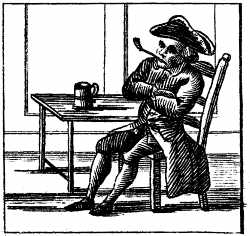
Saloon environments played a crucial role in the culture of duels and gunfights. Saloons were social hubs where disputes often arose over gambling, women, or personal insults. The presence of alcohol, the availability of firearms, and the lack of effective law enforcement made saloons frequent sites of violence. Many duels and gunfights began in saloons, where tensions could escalate quickly and with little warning.
Wild West duels have had a profound impact on American media and storytelling. From classic Western films like High Noon and The Good, the Bad and the Ugly to modern television series and video games, the image of the lone gunslinger facing off in a dramatic showdown remains a powerful narrative device. These stories often explore themes of justice, honor, and the cost of violence, reflecting the enduring fascination with the Wild West.
The fascination with Wild West duels continues today, with historical reenactments, museums, and themed events drawing thousands of visitors each year. Towns like Tombstone and Dodge City regularly host reenactments of famous duels, allowing people to experience the drama and excitement of the Old West. These events not only entertain but also educate the public about the history and legacy of frontier violence.
Wild West duels were more than just dramatic confrontations—they were a reflection of the values, tensions, and realities of life on the American frontier. While their portrayal in popular culture often exaggerates their frequency and formality, real-life duels played a significant role in shaping the mythology of the West. From the legendary showdown between Wild Bill Hickok and Davis Tutt to the enduring legacy of the O.K. Corral, these duels continue to captivate the imagination and remind us of the thrill, danger, and cultural importance of Wild West duels.
We are proud to be supported by these leading brands in preserving the legacy of the Wild West.

Discover the story behind one of the most famous gunfighters of the Old West, Wild Bill Hickok, and his legendary duels.

An in-depth look at the infamous gunfight that has come to define the lawless reputations of the Wild West era.
Recently uncovered letters provide new insights into the lives of famous gunslingers and the dueling culture of the Wild West era.
A week-long festival will showcase classic and modern Western films, celebrating the influence of the Wild West on cinema.
Record turnouts at historical reenactments demonstrate the enduring appeal and educational value of Wild West events.