About Badugi
Badugi is a lowball draw poker variant where players aim to get the lowest hand with unique suits and ranks.
Distinct hand-ranking system focusing on non-repeating suits and ranks.Triple-draw format offers unique strategic depth.Often featured in poker tournaments like the WSOP.Fixed Limit betting structure adds a layer of discipline.Growing popularity among professional and recreational players.
Badugi is a distinctive draw poker variant that falls under the lowball category of games. The primary objective is to obtain the lowest possible four-card hand where all cards differ in rank and suit. In this guide, we will explore the intricate rules, gameplay mechanics, winning strategies, and the growing appeal of Badugi in poker tournaments.
Badugi Gameplay Mechanics
Understanding the Basics
Badugi is typically played with 2 to 8 players at a single table. Each player receives four cards face down, and the game features a dealer button rotating clockwise, similar to other poker variants. The player to the left of the big blind begins the first betting round, with options to call, raise, or fold.
One of the unique aspects of Badugi is its triple-draw structure. After the initial betting round, players have three opportunities to discard unwanted cards and improve their hands, with a betting round occurring after each draw. This structure creates multiple layers of strategic gameplay not found in traditional poker formats.
- Dealer button rotates clockwise
- Blinds are posted before cards are dealt
- Players can exchange cards during three separate draws
Hand Rankings in Badugi
The hand-ranking system in Badugi is quite different from traditional poker. The lowest hand wins, which means that players must aim for varied suits and ranks in their cards. A complete Badugi hand consists of four distinct cards, and the strongest hand possible is A-2-3-4, each of a different suit.
Notably, if a hand contains duplicate ranks or suits, only unique cards count towards the hand's value. For example, a hand consisting of A♠-3♦-5♥-6♣ is a valid four-card Badugi, while A♠-3♠-5♥-6♣ would reduce to a three-card hand due to the duplicate suit.
- Four-card hands beat three-card hands
- Flushes and pairs reduce hand rankings
- Aces count as low in the hand ranking system
Betting Rounds and Actions
In Badugi, the betting structure typically follows a Fixed Limit format. In the first two betting rounds, players may bet the lower limit, while the last two rounds require doubling that amount. Each betting round provides options similar to traditional poker: check, bet, call, raise, or fold.
Player actions are pivotal during each of the betting rounds. Positioning plays a significant role, as players later in the betting order have an advantage by gauging opponents' actions before making decisions.
- Fixed Limit betting structure: lower limits in first two rounds, higher in last two
- Player actions include checking, betting, calling, raising, or folding
The Exciting World of Badugi
Badugi offers a fresh poker experience focusing on lowball hand rankings and unique draws.
The game's inclusion in major tournaments underscores its rising appeal.
- Mastering positioning and strategic play.
- Adapting to the triple-draw format.
- Understanding the impact of hand selection.
- Incorporating bluffing strategies effectively.
Strategies for Winning at Badugi
Playing Position and Hand Selection
Understanding positional play is crucial in Badugi. Players in early positions should play tightly, entering pots only with strong hands. The best starting hand is 4-3-2-A, providing a strong foundation for a Badugi.
As players move into middle and late positions, they can afford to widen their playable hand range. Effective hand selection, combined with positional awareness, can increase profitability over the long term.
- Play tighter from early positions
- Consider positional information for drawing and betting decisions
- The strength of the best starting hand (4-3-2-A) cannot be overstated
Drawing Strategies and Bluffing
Drawing strategies are critical for success in Badugi. Players must assess their hand strength constantly, making informed decisions on whether to draw cards or stand pat. Utilizing a drawing strategy table can guide these decisions effectively.
Bluffing also plays a significant role. The technique known as "snow" involves standing pat to create a false impression of hand strength. Aggressive betting can compel opponents to fold or make dubious calls, depending on their perceived hand strength.
- Use targeted drawing strategies based on current hand strength
- Effective bluffing creates opportunity for gaining a pot without having to show a winning hand
Badugi in Tournaments
The Popularity of Badugi
Badugi has expanded significantly in the poker tournament scene, gaining traction among both professional and recreational players. Its inclusion in prestigious events like the World Series of Poker (WSOP) underscores its legitimacy and appeal.
The complexity and unique strategies required for Badugi distinguish it from other formats, making it an attractive option for players seeking fresh challenges. Tournaments often foster intense competition, elevating the excitement surrounding this draw poker variant.
- Badugi is featured in major tournaments, such as WSOP events
- Players benefit from mastering unique strategies that differ from traditional poker
Preparing for a Badugi Tournament
Players looking to compete in Badugi tournaments should engage in thorough preparation. Understanding the game’s rules, practicing strategic thinking, and effectively managing one’s bankroll are key elements of success.
It’s essential to observe fellow players to gather insights on their strategies and adjust gameplay accordingly. Flexibility and adaptability are critical, as player dynamics can change rapidly throughout tournaments.
- Master the fundamental rules before entering tournaments
- Practice different strategies based on playing styles you encounter
- Manage your bankroll responsibly to sustain participation in multiple events
Conclusion
Understanding and mastering Badugi offers an engaging and strategic challenge for all poker enthusiasts. The unique dynamics of players’ strategies, drawing decisions, and betting rounds enrich the experience for both casual players and serious competitors. Embracing the intricacies of Badugi can lead to exciting gameplay and significant rewards.
Our Sponsors
We're proud to partner with leading poker platforms and organizations.

PokerStars

PartyPoker

888poker

GGPoker
Latest Posts
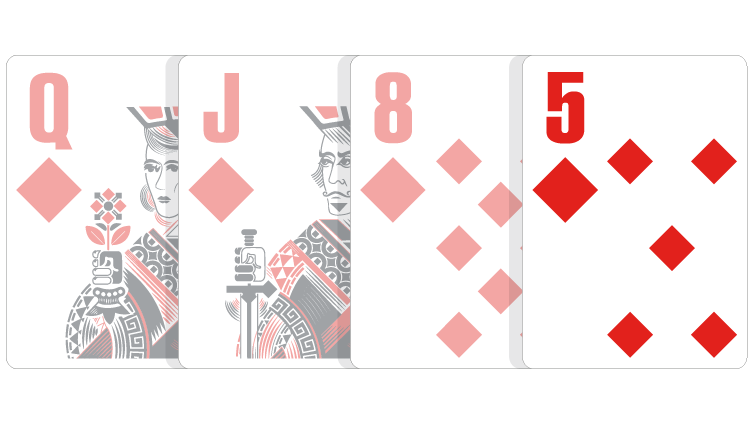
A Closer Look at Badugi Hands
Examine the strength of various Badugi hands and how they rank against each other.
- Understand different hand formations
- Learn to evaluate hand strength
- Optimize hand selection in gameplay
- Strategies for draw decision making
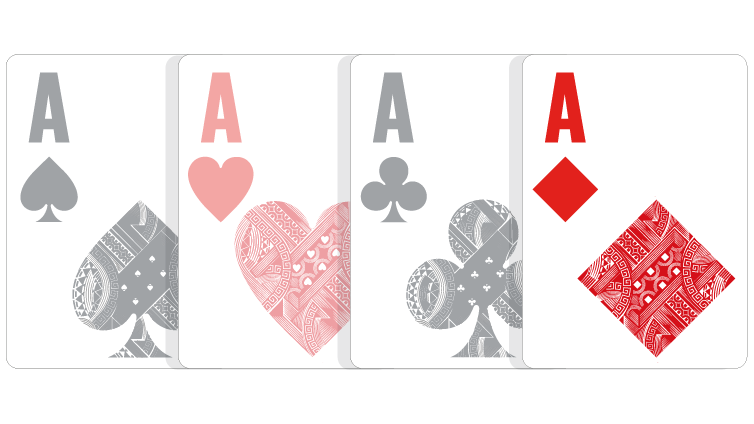
Mastering Badugi Strategy
Develop winning tactics through understanding Badugi's unique dynamics.
- Identify common pitfalls
- Adapt strategies for changing conditions
- Incorporate psychological aspects
- Effective bankroll management